THROUGH OUR COLLABORATION WITH FTI
Specialist inspection
Specialist methods and equipment for the task at hand.
RITI helps define your needs and coordinate specialist inspection through Flow Technology International (FTI).
View inspection options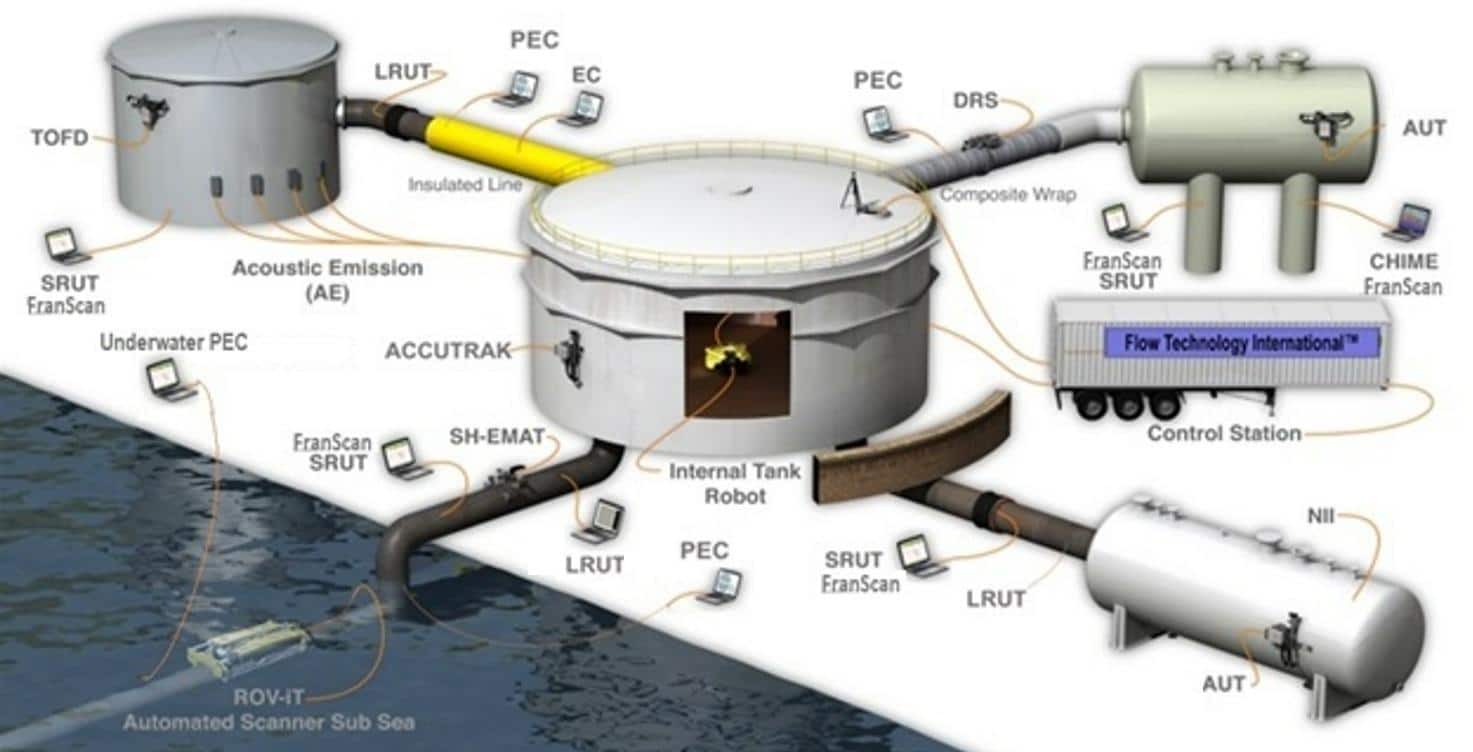
Your point of contact at RITI
Clarifying your needs and coordinating the task.
Specialist methods through FTI
Equipment, staffing and execution are agreed for the specific task.
Inspection options
Choose an area to explore the relevant methods.
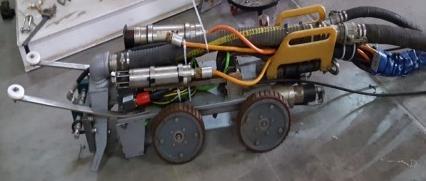 In-service tanks and cleaningRobotic inspection, tank floors and selected cleaning tasks.
Possible applications
- Robotic inspection of above-ground storage tanks containing crude oil, water or Class II fluids.
- Internal visual inspection and examination of tank floors.
- Robotic cleaning and removal of pumpable sludge.
Relevant methods
- Robotic inspection
- Inspection inside a tank using specialist equipment.
- AE / AET
- Acoustic emission for screening tank floors.
- SLOFEC
- Examination of tank floors.
In-service inspection depends on the product, access and safety conditions. Visual inspection beneath the product requires an optically clear liquid. Sludge handling is coordinated with the client’s waste-management contractor.
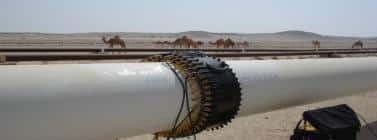 Piping and corrosionInsulation, pipe supports and hard-to-reach areas.
Possible applications
- Corrosion examinations on insulated piping and vessels.
- Examination at pipe supports, other supports and tank annular plates.
- Corrosion mapping and examination of flange faces.
- Internal visual examination of piping using a robot or videoscope.
Relevant methods
- PEC
- Pulsed Eddy Current, including applications with non-metallic insulation.
- LRUT
- Long Range Ultrasonic Testing for pipe screening.
- FranScan / SRUT
- Examinations at supports and critical zones. SRUT is Short Range Ultrasonic Testing.
- AUT
- Automated ultrasonic testing for corrosion mapping.
- Robot / videoscope
- Visual examination of the inside of a pipe.
Material, insulation, geometry and access inform the choice of method. Visual pipe inspection requires the product’s safety data sheet. Inspection through a liquid requires it to be optically clear.
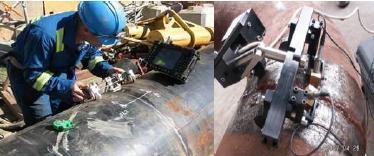 Welds and crackingSpecialist ultrasonic testing and examinations for cracking.
Possible applications
- Weld examinations on equipment including pressure vessels, tanks and reactors.
- Examination for hydrogen-induced cracking, HIC.
- Mapping of stress-corrosion cracking and other surface-breaking cracks.
Relevant methods
- PAUT
- Phased array ultrasonic testing for complex geometries and welds.
- TOFD
- Ultrasonic weld examination, including thicker sections.
- HIC / stress-corrosion cracking
- Examinations targeted at the specific cracking mechanism.
The examination method, coverage, assessment basis and required qualifications are agreed for each task.
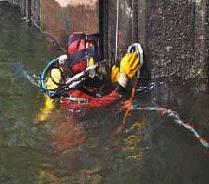 Subsea and pipelinesSubsea methods at FTI. Pipeline services through its partner network.
Possible applications
- PEC and automated ultrasonic testing on subsea installations.
- Pipeline integrity and leak detection through FTI’s own partners.
- Options for route, potential and soil surveys are clarified separately.
Relevant methods
- Subsea PEC / AUT
- Methods listed by FTI as subsea services.
- Pipeline surveys
- The brochure lists ECDA, ICDA, SCCDA, CDA, CIPS and DCVG, among other services provided through partners.
The brochure explicitly lists pipeline integrity and leak detection as services provided through partners. The supplier, access conditions and specific options are clarified with FTI.
Method, access, availability and responsibilities are clarified with FTI for the specific task.
Contact RITIMethod illustration and photographs: FTI’s technical brochure.