Inspections
Condition assessment and inspection of tanks and facilities, with a focus on safety, documentation and practical action.
Inspections should provide clear direction. We carry out inspections and condition assessments focused on safety, documentation and clear recommendations for next steps. This can involve tanks, piping and critical areas where access, operations and risk need to be considered from the outset.
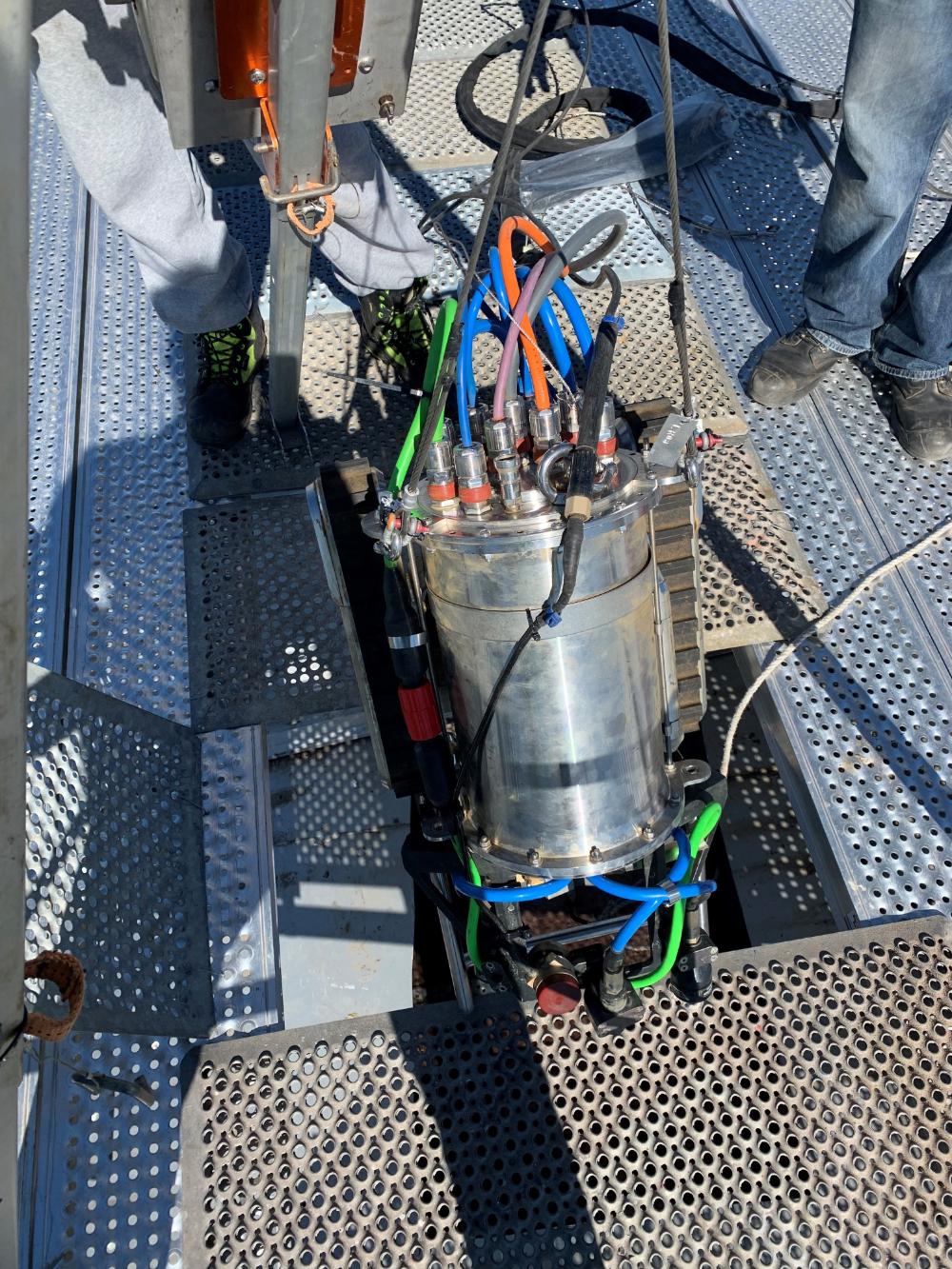
Together with our partners, we have developed specialist equipment for inspecting tanks at high temperatures. For selected tasks, we can use robots that are submerged in tanks while they remain in service, where conditions and safety permit.
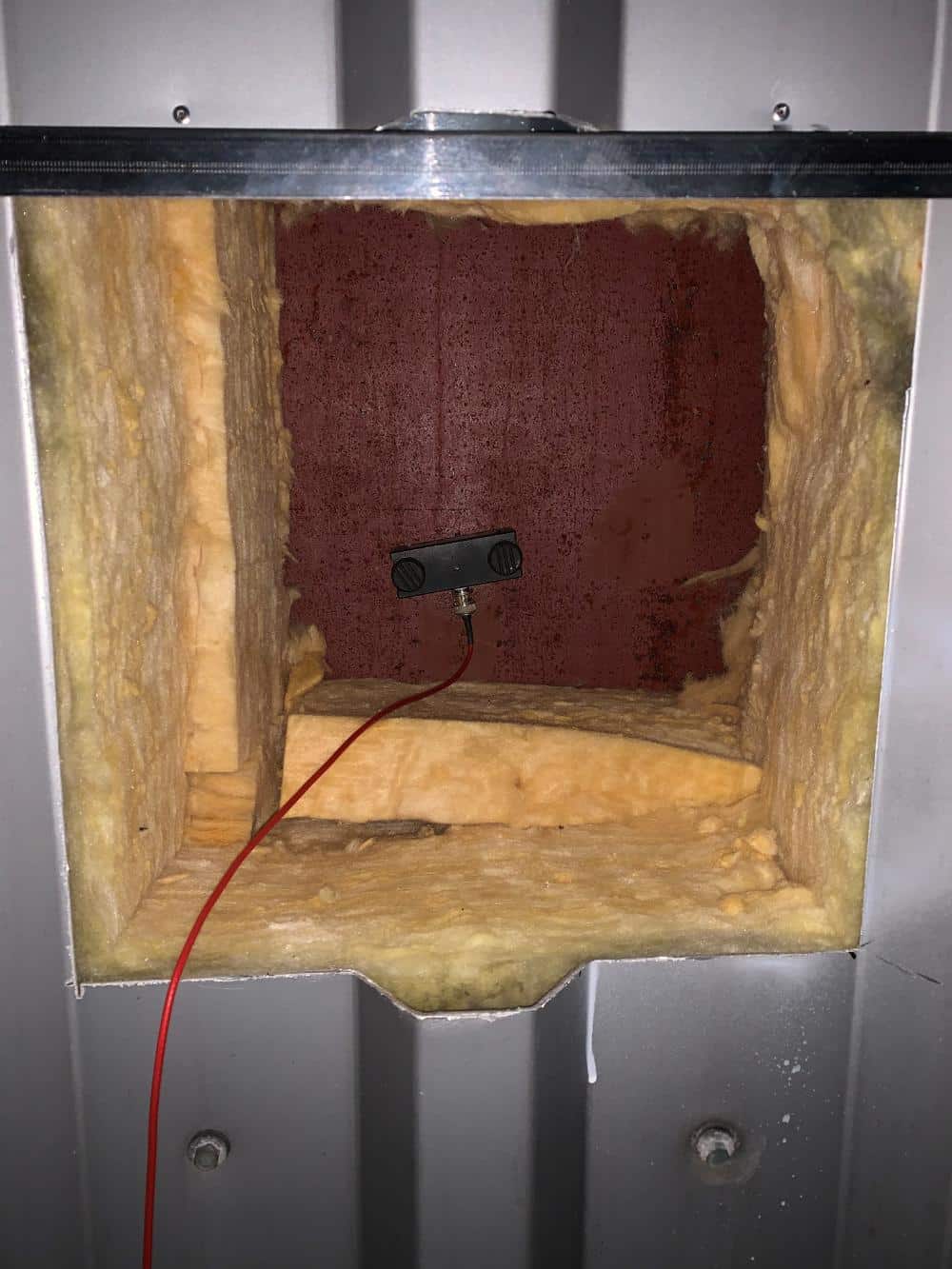
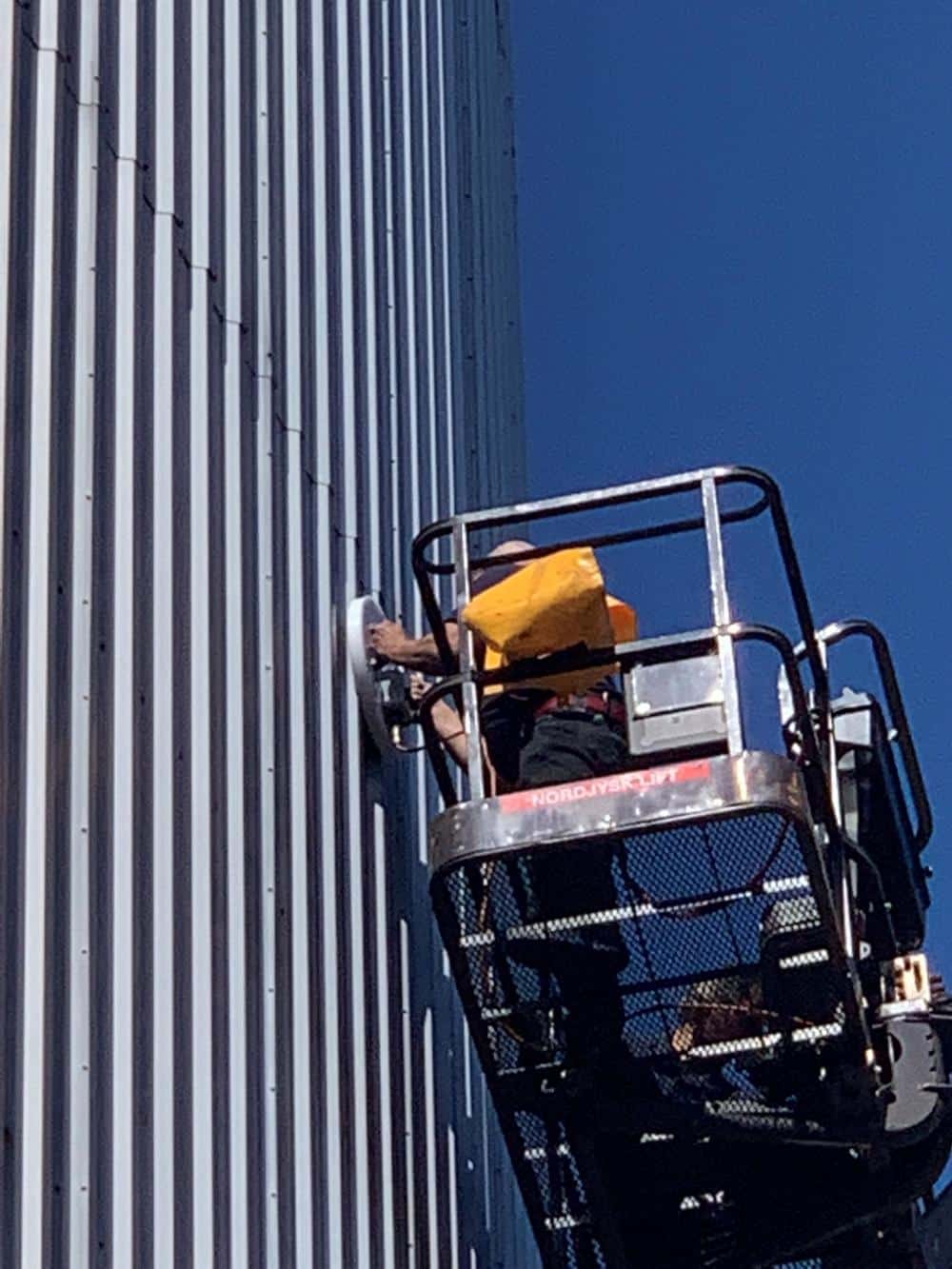
We also offer inspection through insulation up to 300 mm thick, depending on the method and access, as well as targeted inspection of critical tank areas, including assessments around welds. Inspection data can support remaining life assessment and RBI (Risk-Based Inspection).
We specialise in assessing the remaining service life of thermal storage tanks.
We perform acoustic emission (AE) testing on tanks and piping systems. Over the years, we have completed many assignments with good results, and our extensive experience ensures a professional approach from planning through execution to reporting.
Methods and capabilities
- Tanks and facilities: visual inspection and documentation planned around operations and access.
- Robotic inspection of tanks in service, in selected scenarios and in collaboration with partners.
- Inspection through insulation up to 300 mm thick, depending on the method and access.
- Inspection of critical areas and welds, including assessment and documentation.
- Input for remaining life assessment and RBI.
Typical deliverables
- Inspection reports with findings, photographs, measurements and assessments.
- Prioritised action plans identifying urgent work and tasks that can be scheduled.
- Recommendations for follow-up, repairs and the next inspection interval.
- Data for remaining life assessment and RBI, with scope agreed in advance.
Contact us for more information
Briefly describe what needs to be inspected, including the tank or plant component, access and operating conditions. We will propose the safest and most effective method.